Cart
0

The Architecture of Elevation
Alignment • Structural Change • Development • Perspective Shift

Most people think elevation begins when life finally starts improving externally, with more opportunities, confidence, momentum, clarity, and visible success.
But elevation rarely begins there; it begins internally first.
Long before external results appear, a deeper restructuring begins beneath the surface: perspective and priorities shift, certain environments feel heavier, and old identities stop fitting naturally. This process involves recognizing how much of your life was built around survival instead of alignment, a realization that changes everything. Once aware of misalignment, a person cannot return to unconscious motion. The architecture quietly, carefully, and sometimes painfully begins changing, often without immediate evidence. This invisible restructuring frustrates many because modern culture conditions us to seek fast, dramatic external reinforcement and visible proof.
However, real elevation is structural before it is visible.
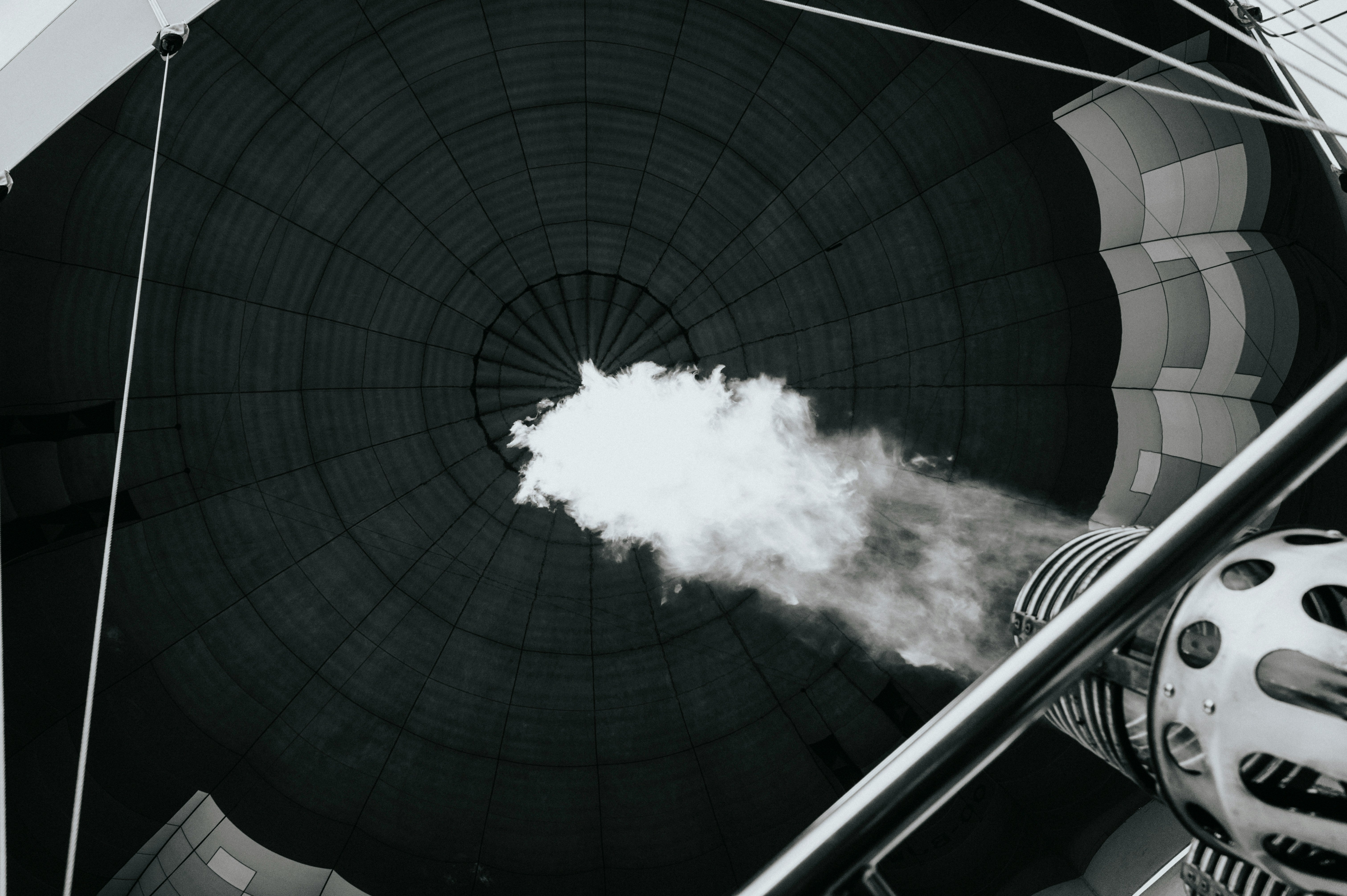
A building cannot rise without strengthening its foundation, a vessel needs pressure adaptation to sustain altitude, and even flight depends on invisible atmospheric conditions. Yet, many try to skip internal reinforcement and move directly toward external visibility, creating instability, the problem of unsupported elevation. People attempt to rise while carrying unresolved exhaustion, inherited pressure, fragmented identity, emotional overload, constant comparison, and survival-based thinking.

Eventually, the internal structure collapses beneath the weight of external performance, because elevation without reinforcement becomes unsustainable. Real alignment requires reconstruction, not just new goals, but new internal architecture.
This reconstruction often begins with subtraction.
Certain distractions lose their appeal, relationships reveal misalignment, environments start draining energy, and habits stop connecting to the person you are becoming. Initially, this feels isolating, especially since not everyone will understand the invisible transformation. Externally, life may appear similar, but internally, the atmosphere is changing completely, creating tension. The hidden phase between who you were and who you are becoming is rarely comfortable. There are moments where clarity grows faster than certainty, awareness expands before direction stabilizes, and you feel the internal architecture changing while external reality is unresolved.
This uncertainty is exhausting, not due to weakness, but because transition itself requires energy.

This is especially true when simultaneously carrying responsibilities, pressure, expectations, emotional fatigue, financial strain, and future uncertainty while protecting a deeper vision. That pressure reshapes people, but it is not always destruction; sometimes pressure creates lift. It reveals structural weakness that must be rebuilt before higher elevation is possible. What feels like delay is often reinforcement, as the atmosphere changes before the horizon.
This understanding explains why quiet seasons matter more than most realize.
Stillness is not stagnation, silence is not failure; invisible motion is still motion. The most important reconstruction, where discipline forms, awareness sharpens, emotional endurance deepens, and identity becomes coherent, happens during seasons when the external world sees very little progress. This process may not look publicly impressive, but it creates essential stability. Stability matters because life eventually applies weight to everyone; success, responsibility, visibility, and growth all introduce pressure. Without internal architecture, external elevation is difficult to sustain, which is why sincere refinement matters more than performance. A person can appear successful externally while collapsing internally, while another may seem uncertain externally yet is quietly building foundations strong enough for future expansion.
The difference is rarely obvious in real time, and some people are rising long before anyone notices.

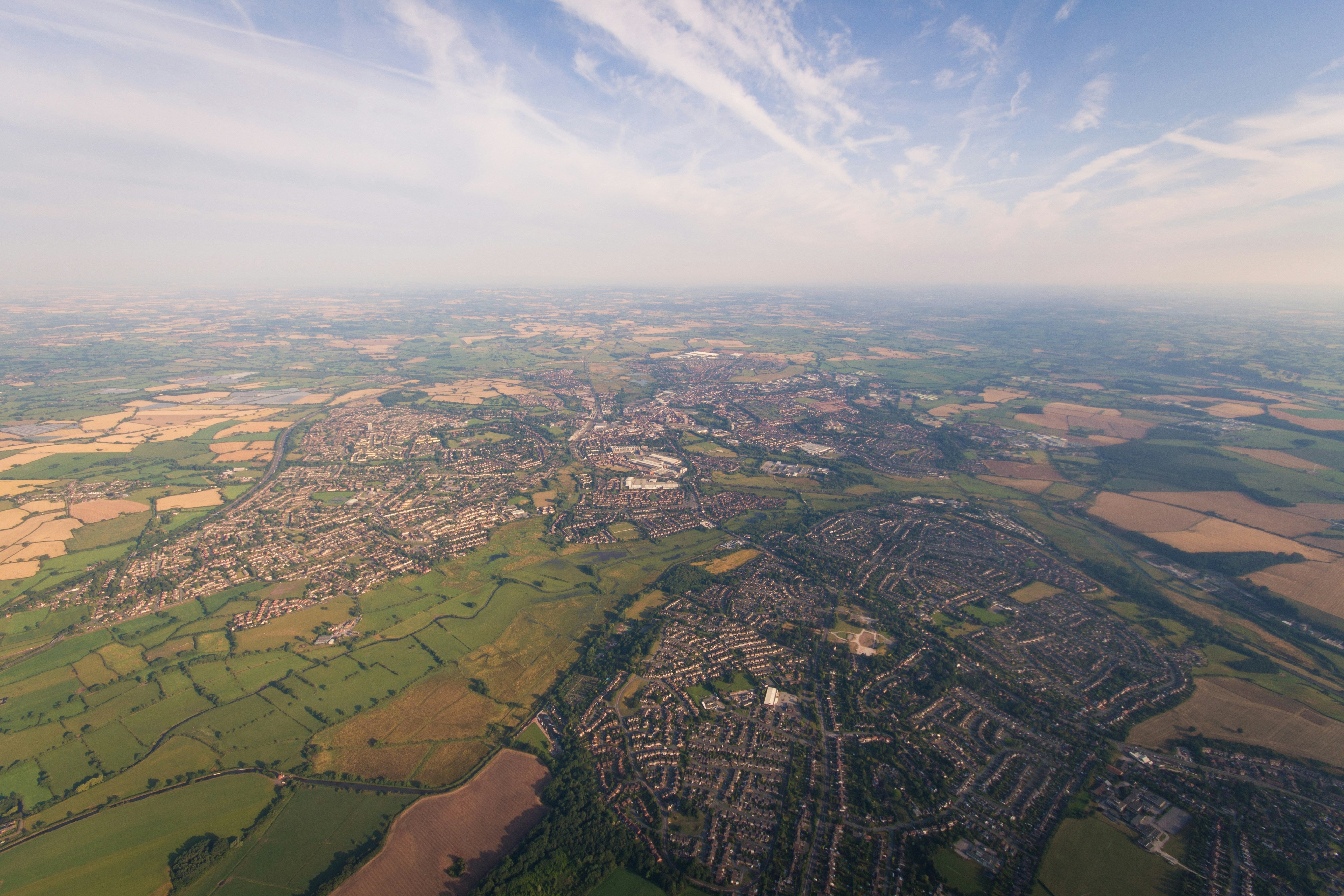
This makes comparison dangerous during reconstruction seasons, as another person’s visible momentum can tempt you to abandon your quieter process prematurely. Some phases are meant for internal altitude, and some journeys begin above the clouds. While modern culture glorifies acceleration, there is wisdom in slower elevation, in allowing the internal structure to strengthen before forcing visibility too quickly. Eventually, reinforcement becomes momentum, alignment creates clearer direction, the internal architecture supports higher atmospheres, and eventually, what once felt invisible begins generating visible lift.
Elevation is rarely random.
It is carefully built through repeated internal decisions: protecting meaning, choosing discipline, remaining sincere, continuing through uncertainty, rebuilding thoughtfully, and refusing to abandon yourself during transition. That is the real architecture of elevation: no performance, no noise, no constant visibility, but structural alignment sustained over time. The wheel still turns in unseen seasons.
Proceed.

Continue UP.
Explore:
Or
Free Ebook: Free Wheel- Of Course